
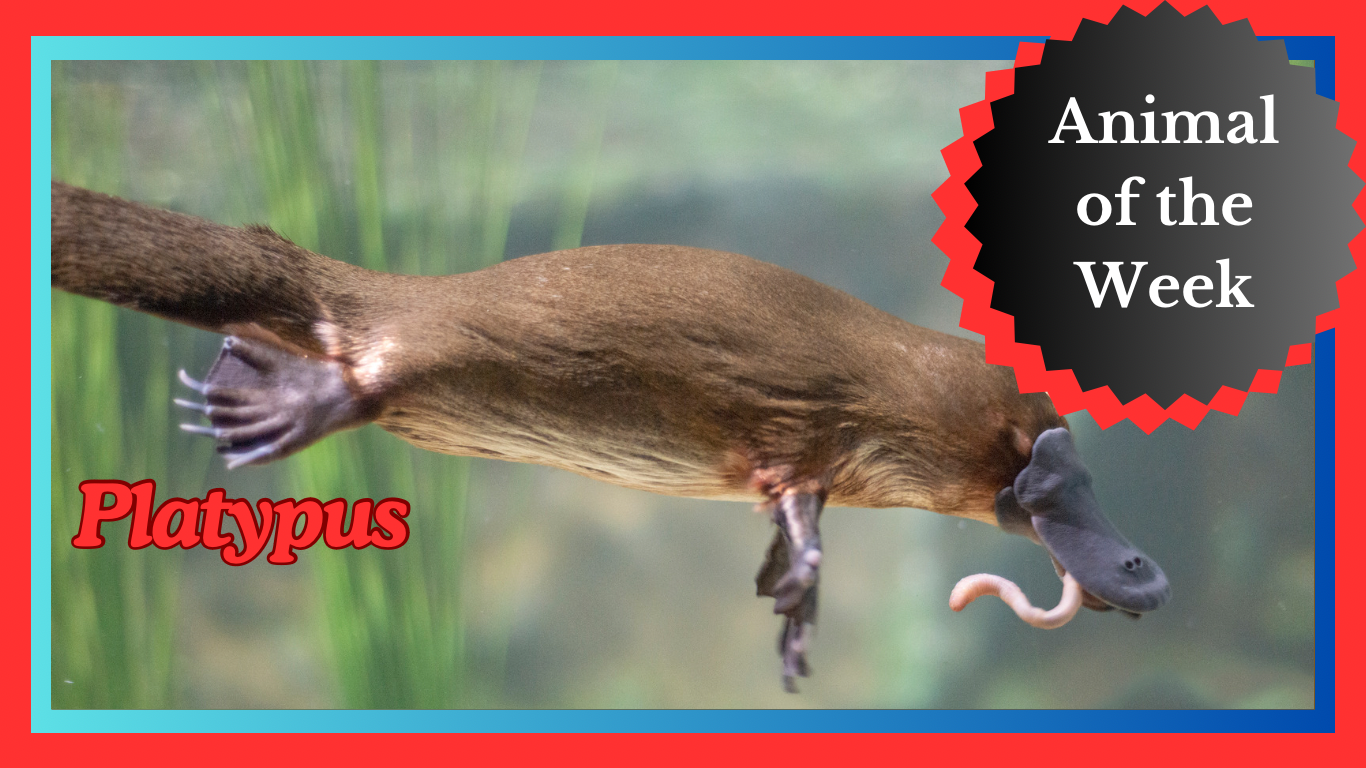
The platypus, a creature that it baffled early European naturalists who doubted its existence stands out as one of the most captivating creatures in the world. With a bill like duck webbed feet and a tail similar to that of a beaver the platypus serves as a living example of evolutions marvels. This piece explores the traits of the platypus delves into its habitat and behaviors and shares some tidbits about this remarkable mammal.
An Overview of the Platypus
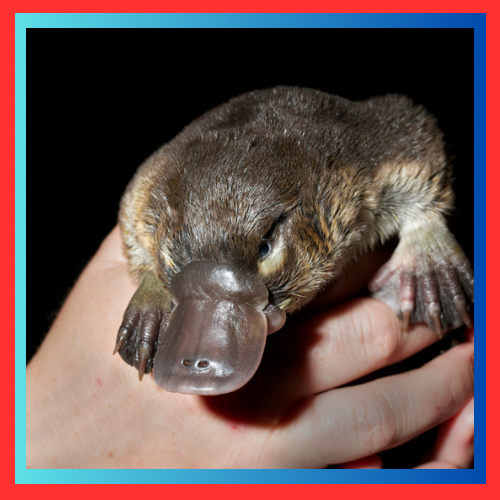
The platypus (ornithorhynchus anatinus) is a aquatic mammal indigenous to eastern Australia, including Tasmania. It falls under the category of egg laying mammals known as monotremes alongside echidnas. The platypus stands alone as the surviving member of its family, Ornithorhynchidae and genus Ornithorhynchus.
Unique Attributes of the Platypus
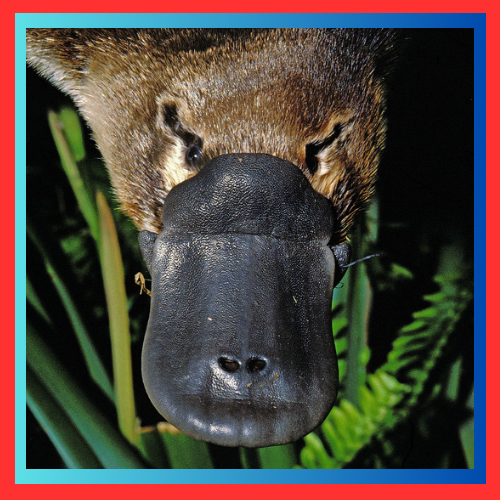
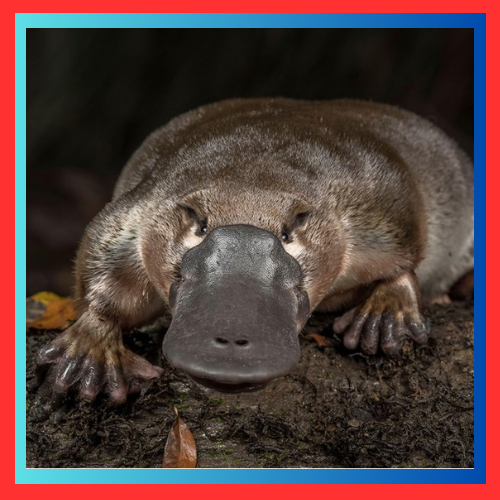
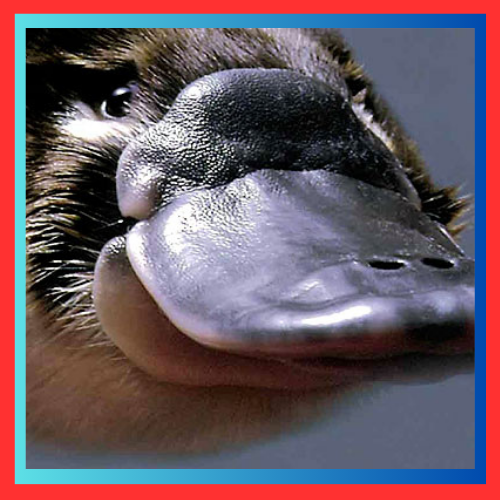
The platypus boasts characteristics that set it apart from other animals. Its distinctive broad bill resembles that of a duck. Is equipped with electroreceptors that aid in detecting prey underwater. With one of the bills, among mammals the platypus can pick up on electrical signals emitted by its preys muscles and nerves.
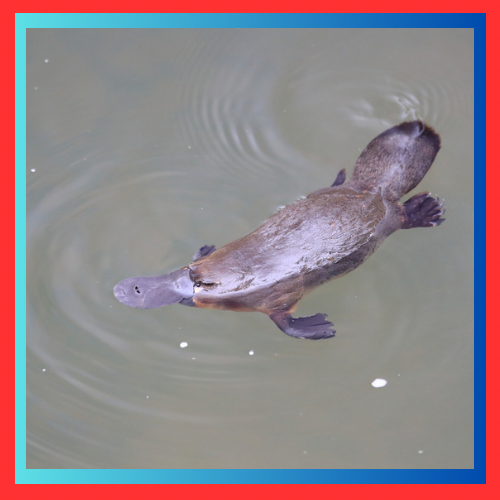
The platypus has webbed feet that help it swim and retractable claws, for digging. It also sports a fur coat for insulation in cold water and a flat tail similar to that of a beaver, which stores fat reserves.
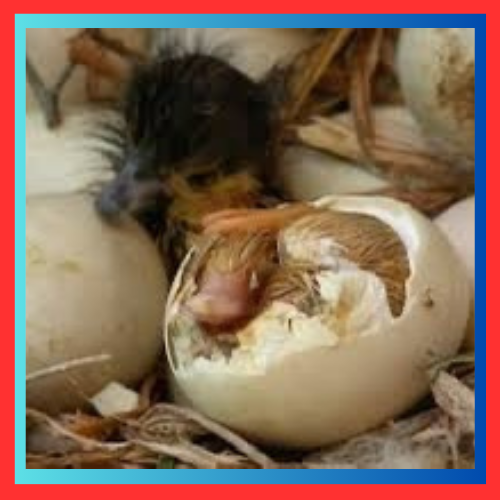
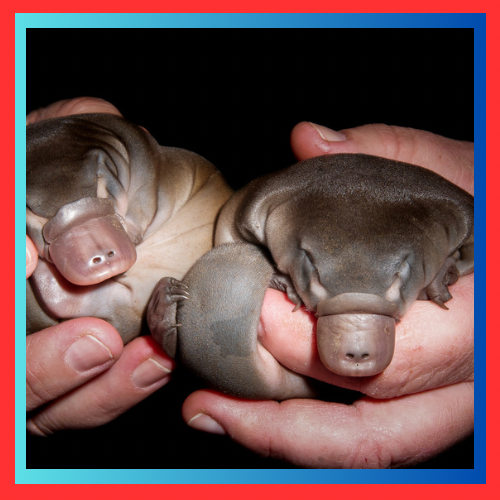
One fascinating trait of the platypus is its ability to lay eggs setting it apart from mammals. Female platypuses typically lay one to three eggs. Nurture them by curling around them. The eggs hatch within ten days after which the mother feeds her young with milk produced by glands. Interestingly platypuses do not have nipples; instead the young absorb milk through their skin and fur.
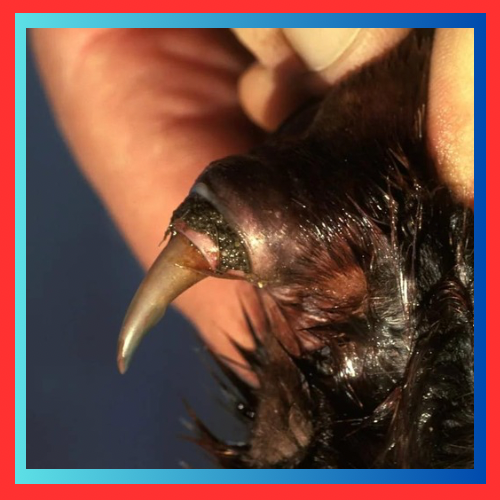
Male platypuses have a spur on their hind legs that can deliver a sting to predators or rivals. Though not deadly to humans the venom can cause pain and swelling. This unique feature among mammals adds a layer of intrigue to this peculiar creature.
Platypuses are found in freshwater habitats like rivers, lakes and streams in Australia and Tasmania. They are mainly active at night and, during twilight hours.
During daylight hours platypuses take refuge in burrows they dig along the banks of their homes.
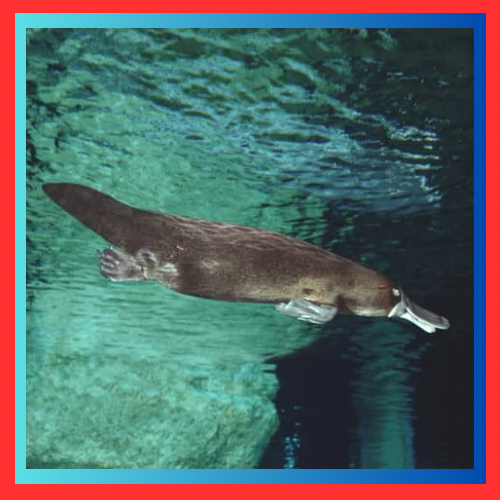
Platypuses excel at swimming using their webbed paws to propel themselves and their hind legs and tail to steer. They spend an amount of time searching for food underwater shutting their eyes, ears and nostrils and relying on the electroreceptors, in their bills to find prey. Their diet mainly consists of invertebrates like insect larvae, worms and freshwater shrimp though they also snack on fish and amphibians.
Interesting Facts About the Platypus
1. Early Doubts: When the first platypus specimen arrived in Britain in the century scientists initially thought it was a hoax—a skillfully crafted combination of different animals.
2. Electrosensitivity: The platypus is among the mammals with an ability for electrosensitivity. This unique trait helps it detect the fields produced by its preys movements giving it an advantage when hunting in murky waters.
3. Ancient Roots: Evidence from fossils indicates that ancestors of todays platypus can be traced, over 100 million years ago establishing it as one of the surviving mammal lineages.
4. Distinct Genetic Composition: The genome of the platypus showcases a combination of traits, from mammals, reptiles and birds. This distinct genetic composition has offered insights into the past of mammals.
Regarding its conservation status the platypus is currently categorized as Near Threatened by the International Union for Conservation of Nature (IUCN). Factors such as habitat destruction, water pollution and climate change pose risks to their populations.
In terms of its representation in culture the platypus has captivated people globally. Has been featured across various media platforms. One notable example is Perry the Platypus from the animated TV show “Phineas and Ferb.” Perry, an agent blends the appearance of a platypus with a witty and daring personality solidifying the animals presence in popular culture.
In conclusion the platypus remains a creature that continues to intrigue scientists and nature enthusiasts. Its diverse array of traits—from laying eggs to electroreception spurs to lineage—position it as one of Earths most extraordinary animals. Through research and conservation efforts for this species we deepen our understanding of life, diversity, and intricacies on our planet.
To truly grasp and value the characteristics of the platypus we can gain an appreciation, for the vast array of wonders present, in the natural world.
For further reading on the platypus, check out these sources:
• National Geographic – Platypus. https://www.nationalgeographic.com/animals/mammals/facts/platypus
• Australian Museum – Platypus. https://australian.museum/learn/animals/mammals/platypus/
• BBC – Platypus. https://www.bbc.com/news/world-australia-55039255