




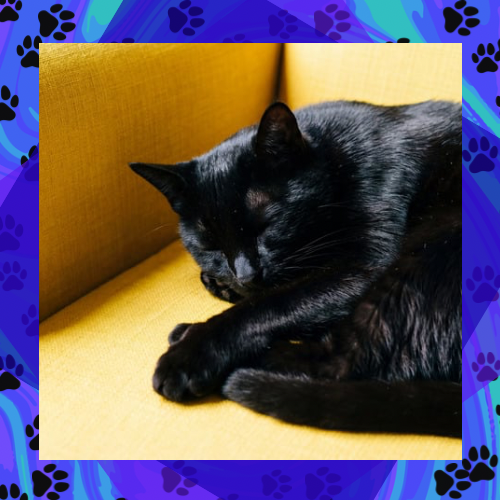
Cats are among the most popular pets on the planet. Many people enjoy the company of a purring feline curled up beside them at night. Stories about cats in beds go back centuries, from ancient Egyptian carvings showing cats near sleeping humans to modern social media posts where cats claim spots on pillows. Many cat owners have strong feelings about sharing a bed with their pet. Some swear it brings comfort and peace. Others worry about sleep disruption or health issues. With so many opinions floating around, it helps to look at what research, vets, and cat behavior experts have observed.
This article covers common beliefs about sleeping with cats and compares them with real findings and realistic feline behavior. You’ll find facts, fun trivia, unique traits of domestic cats and their wild cousins, and clear explanations that are accessible to a general audience.
Popular Myths About Sleeping With Cats
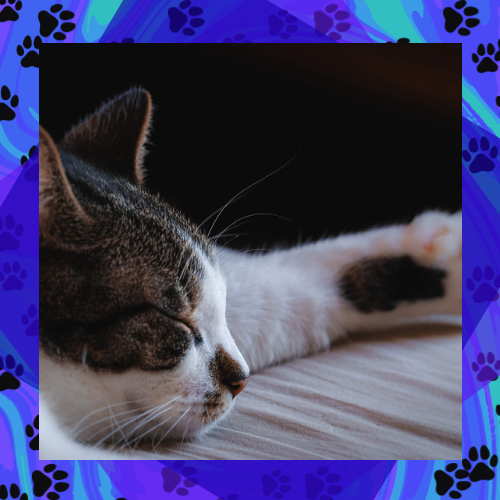
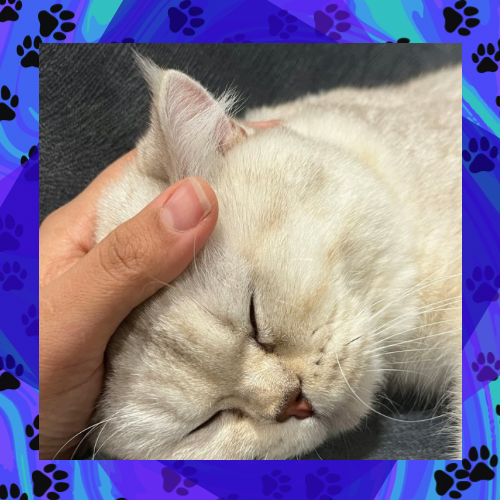
Before we explore the real picture, let’s look at some beliefs that are widespread but may not be backed by evidence:
1.- Cat Sleep Will Improve Your Sleep
Many people think that having a cat in bed will help them fall asleep faster and sleep deeper. The idea comes from the comforting sound of purring and the warmth cats bring to a shared space. While some owners report better sleep, scientific studies offer a more mixed view.
Cats are crepuscular by nature, meaning they tend to be most active at dawn and dusk. Their rest patterns are different from ours. A cat may settle down quietly at first, but several hours into the night, it may decide to stretch, groom, walk around, or play — all of which can disturb a human sleeper.
Some individuals may find their cat’s presence soothing, especially if the cat purrs. Purring in the range of about 20 to 140 Hertz has been linked to stress reduction in people. This may have a calming effect, especially if stress keeps you awake. For others, the intermittent movement, kneading, bumping, or sudden bursts of energy that many cats display can interrupt sleep cycles.
Key idea: Sleeping with a cat can feel comforting for some people, but it is not a guaranteed way to improve sleep quality for everyone.
2.- Cats Are Always Quiet at Night
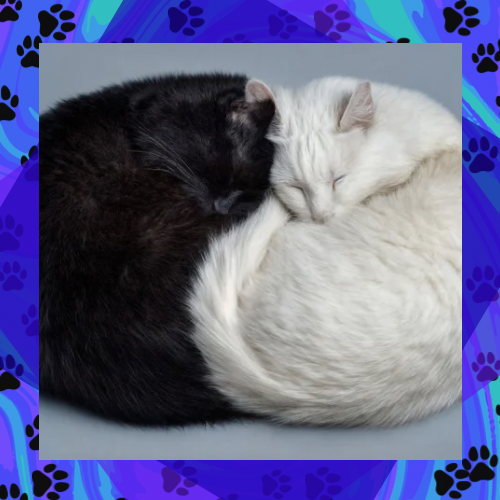
Another belief is that cats are quiet when on a bed and won’t disturb sleep. Real behavior shows wide variation by individual cat and by age.
Kittens often have higher energy levels and may play or explore during late night hours. Adult cats may switch between sleeping and short bursts of activity. Some older cats may have changes in their internal clock that lead to more nighttime movement. Cats that share a home with other pets may also rise when another animal becomes active.
If your cat has a habit of late-night prowling or making “cat zoomies,” it could lead to disrupted sleep for anyone sharing space.
3.- Sleeping Together Builds a Strong Bond
Many cat owners believe that bed-sharing builds a deeper connection with their cat. There is truth in the idea that sharing safe, restful moments can support bonding. Cats choose where to sleep based on comfort, security, and temperature.
If a cat voluntarily chooses your bed, it means the environment feels safe enough for rest. In the wild, felines pick secure spots where they can nap without threat. A cat sleeping near you likely feels a sense of safety. It doesn’t necessarily mean the strongest emotional bond, but it does signal trust in your presence.


4.- Cats Only Sleep in Beds for Warmth
Warmth is often cited as the main reason cats sleep on beds. While warmth is a factor — cats do enjoy cozy spots — it is not the only reason. Cats are drawn to places that feel secure and where they can rest without disturbance. Beds often provide soft surfaces, fewer footfalls, and human scent, which many cats find calming.
In chilly climates or seasons, cats may look for extra warmth. In hot weather, they may sprawl out near your feet or shift to cooler places. Location choice changes with environment and mood.



5.- Pet Dander From Cats Will Ruin Your Health
Some people fear that sleeping with a cat increases exposure to pet dander and allergies. Pet dander is made of microscopic skin flakes that cats naturally shed. For individuals with sensitivities, exposure to cat dander can trigger sneezing, itchy eyes, congestion, and other allergy symptoms. Placing a cat in bed can increase the concentration of dander in your immediate sleep space.
However, sleeping with a cat doesn’t cause serious health issues for most people who are not allergic. Regular grooming (brushing), vacuuming with a high-efficiency particulate air (HEPA) filter, washing bedding frequently, and keeping your bedroom well ventilated can reduce dander buildup.
If someone in a household has severe cat allergies or asthma, doctors sometimes recommend keeping pets out of the bedroom entirely. For those without allergy issues, most vets and allergists see bed-sharing as a matter of personal comfort rather than a health threat.
What Research and Experts Say
Sleep specialists and animal behaviorists have offered insights based on observation and study. Here’s a clear look at findings that help separate speculation from evidence.
Sleep Quality and Cats
In a small sleep study published in Mayo Clinic Proceedings, researchers monitored people sleeping with pets. Participants with dogs in bed were more likely to report sleep disturbance due to the dog’s movement. Participants with cats were variable — some reported minimal disruption, others noted waking with the cat’s activity. Most participants slept within one to two feet of their pet’s location. The study suggested that having a pet in bed could affect sleep based on the animal’s behavior and the person’s sensitivity to movement or sound.
Emotional Comfort
Cats can offer emotional support. The act of petting a cat has been shown to reduce cortisol, a stress hormone, and may support a sense of calm. Some therapists include pet presence in stress reduction plans — it’s about human response to gentle touch and rhythmic purring, rather than an inherent sleep aid.
Cats have evolved alongside humans for thousands of years. Although they are independent by nature, many have adapted to life in human homes. Whisker movement and kneading behaviors, developed from kittenhood nursing, can evoke comfort in humans even though they are instinctive feline actions.

Sleep Disturbance
Because cats are more active during nighttime hours than dogs on average, there is a higher chance they may move around, jump down from a bed, or start exploring. Some cats may meow at night, which can wake a light sleeper. Others are content to stay still, curled up for long periods.
Experts suggest observing your cat’s patterns. A cat that has regular bursts of activity in late night might not be a good bed partner for someone who needs uninterrupted sleep. A cat that settles early and stays on a pillow or at the foot of the bed might be less likely to cause disturbance.
Health and Hygiene Considerations
When cats sleep with humans, people often wonder about hygiene and health.
Fleas, Ticks, and Parasites
Indoor cats that have regular veterinary care and flea prevention are low risk for carrying parasites. Cats that go outside may bring fleas or ticks inside. Keeping up with parasite prevention, regular checks, and grooming lowers the chances that a cat could bring pests into your sleeping area.

Zoonotic Diseases
A small number of diseases can transfer from cats to humans. Toxoplasmosis is one example. It’s more of a concern with handling cat feces than with sleeping together. Practicing good hand hygiene after cleaning a litter box and managing litter properly reduces risk. For most healthy adults, the chance of contracting serious illness from sleeping with a cat is very low.
Hygiene Practices for Bedding
People who sleep with cats might want to wash sheets and blankets weekly. This helps remove dander, fur, and any pollen or dust a cat may carry. Vacuuming mattresses and using mattress covers that can be washed also helps.
Unique Traits of Cats and Sleep
Understanding the way cats sleep gives more context to their nighttime behavior..

Cat Sleep Patterns
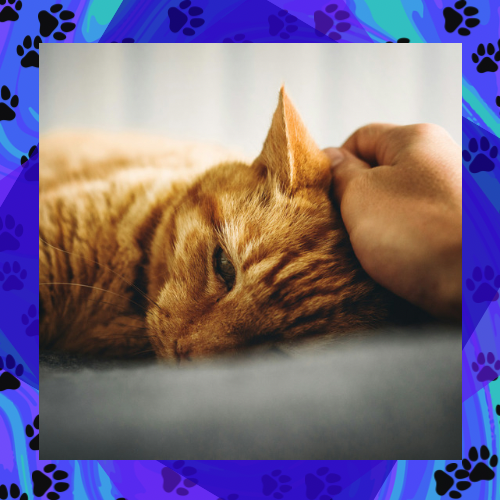
Cats spend a large portion of the day resting. An adult cat may sleep anywhere from 12 to 16 hours daily. Unlike humans, cats have multiple sleep cycles, including short naps and deeper rest periods. They tend to be most alert at twilight and dawn.
When a cat sleeps with you, it might shift between light sleep and wakeful rest, occasionally opening its eyes, stretching, or changing position. These micro-awakenings are part of feline sleep, not necessarily a sign of distress.
Purring Patterns
Purring is a unique feline behavior. It occurs when a cat breathes and the muscles in its larynx move rapidly. Purring often signals contentment, but cats may also purr when anxious or injured. Some research links certain purring frequencies to healing processes, including bone and tissue growth. Whether this effect applies to humans is unclear, but many people find the sound calming.


Wild Relatives’ Sleep Style
Wild felines, like lions or leopards, also spend long hours resting between hunts. They choose secure spots, high ground, or shaded areas where they can rest with minimal threat. Some big cats sleep in groups, which provides warmth and safety. Domestic cats bring some of these instincts into home environments, with beds serving as preferred secure places.
Fun Trivia About Cats and Sleep
•Cats and REM Sleep: Cats, like humans, have rapid eye movement (REM) sleep when dreaming. You might notice tiny twitches while your cat sleeps — these are thought to be related to dreaming.
•Half-Asleep Alerts: Cats can rest while staying alert to sounds. Their ability to sleep lightly helps them spring into action if needed, which is why some cat owners find their pets awake even while appearing to snooze.
•Heat Seekers: A cat’s normal body temperature is higher than a human’s, around 101–102.5°F (38.3–39.2°C). That warmth is part of why your bed can be an attractive spot.
•Adult Cats Sleep More: Kittens and senior cats often sleep for long stretches, but adult cats in the middle of life tend to balance rest and activity in patterns that match household routines.
•Cats Prefer Height: Wild cats often rest in elevated positions for safety. Domestic cats may choose headboards, the back of a couch, or the top of a wardrobe for daytime naps.
How to Decide If Your Cat Should Sleep With You
There is no one-size-fits-all answer. It comes down to your comfort, health, and your cat’s behavior.
Ask Yourself These Questions
•Do you sleep well with your cat in the bed?
•Does your cat move around a lot or stay calm?
•Are there allergy symptoms in your household?
•Does your cat have access to quiet places where it can rest away from you?
•Does your nighttime routine invite your cat to settle nearby?
If sharing a bed leads to better rest and calm feelings for both of you, it can be a positive experience. If it raises sleep interruption, allergies, or safety concerns, you may consider creating a dedicated sleep area for your cat nearby.
Tips for Better Sleep With a Cat
•Provide soft bedding on the floor or in a cat tree near your bedroom.
•Offer evening play sessions so your cat expends energy before you sleep.
•Keep feeding times consistent.
•Place a warm blanket or item with your scent in your cat’s bed.
•Keep doors partly open so your cat can choose where to go during the night.
When to Reconsider Sleeping Together
For households where someone has moderate to severe asthma or cat allergies, doctors may advise keeping pets out of bedrooms. If a cat shows signs of distress or aggression at night, seeking help from a vet behaviorist can help.
If you travel often or have overnight guests with allergies, having a plan for where your cat sleeps helps everyone rest.
Final Thoughts
Sleeping with a cat is a personal choice. Some people find serenity in shared sleep with their feline friend. Others prefer separate spaces for rest. By looking at behavior patterns, health considerations, and your own sleep needs, you can find a sleep setup that feels right.
Cats bring unique qualities into our lives — charm, curiosity, and companionship. Whether that includes a place in your bed at night or a cozy corner just outside your bedroom, understanding your cat’s nature and your own needs makes co-sleeping a thoughtful choice rather than an assumption.
Sources and References
1.Mayo Clinic Proceedings: Study on sleep and pets. https://www.mayoclinicproceedings.org/article/S0025-6196(15)00674-6/abstract
2.Journal of Feline Medicine and Surgery: Research on feline behavior and purring frequencies. https://www.researchgate.net/publication/272259095_The_felid_purr_A_healing_mechanism
3.American Academy of Allergy, Asthma & Immunology: Information on pet allergies and dander. https://www.aaaai.org/conditions-treatments/allergies/pet-allergy
4.International Cat Care: Guidance on cat health and behavior. https://icatcare.org/cat-advice