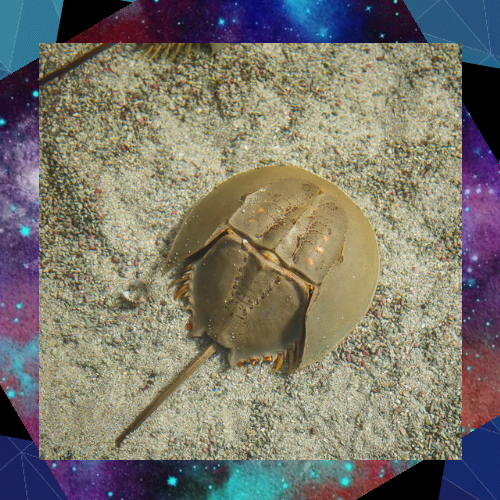
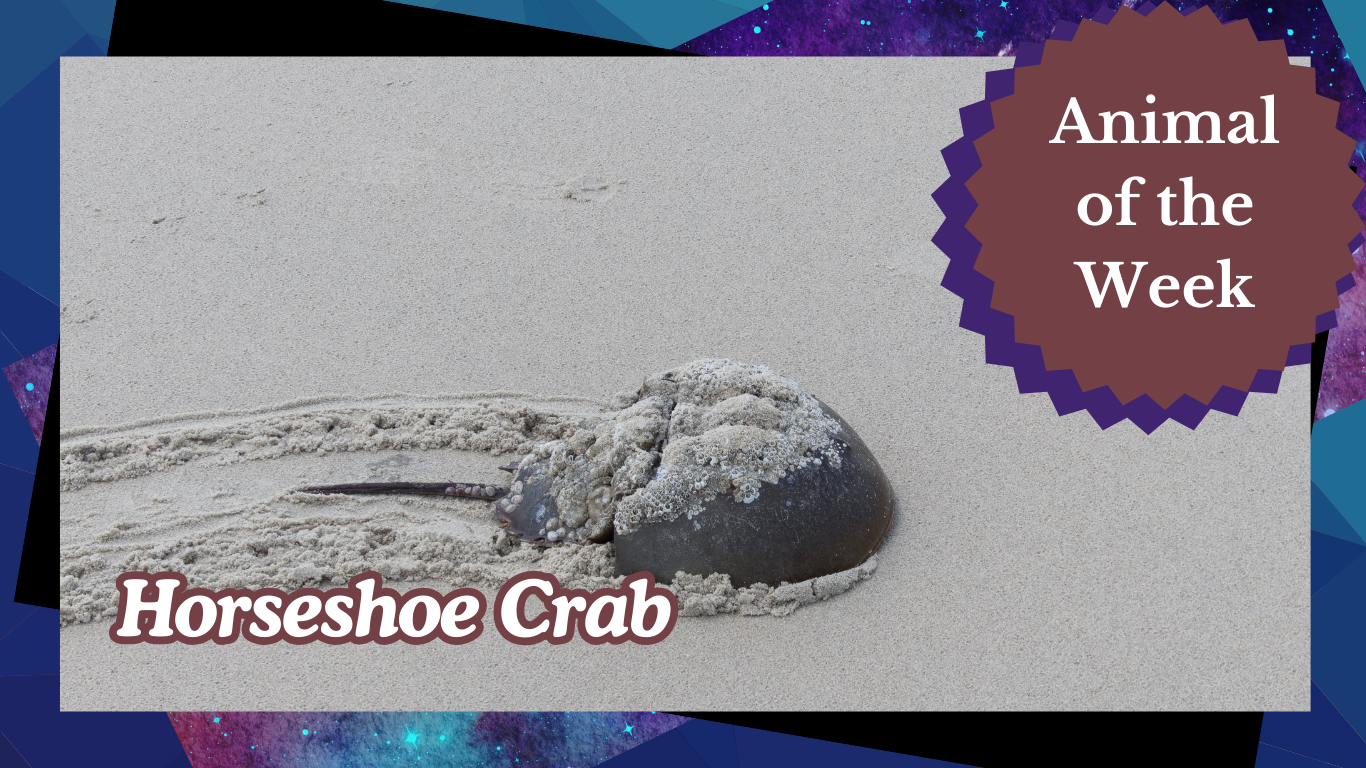


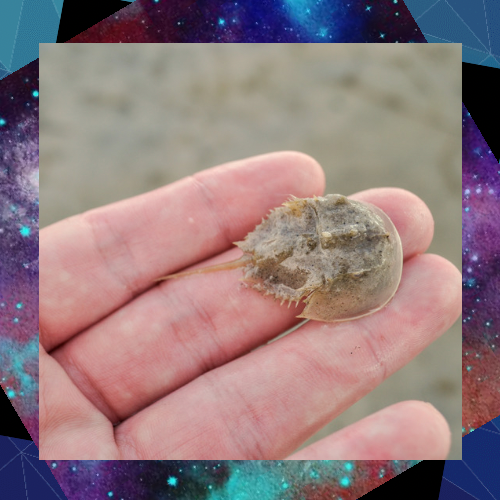
If you’ve ever walked along a beach on the East Coast of North America or the shores of Southeast Asia, you may have stumbled upon what looks like a prehistoric throwback: a dark, helmet-shaped creature with a spiky tail, seemingly stranded by the tide. It’s easy to mistake it for a odd-looking rock or even a dangerous predator. But this animal, the horseshoe crab, is one of the most gentle, ancient, and astonishingly important creatures on our planet.
Despite its name, it isn’t a crab at all. It’s more closely related to spiders and scorpions, a living fossil that has been crawling ashore for hundreds of millions of years. They watched the dinosaurs arrive and vanish, and they’ve outlived countless extinction events. But today, this resilient survivor faces modern challenges, and its survival is inextricably linked to our own. This is the story of the blue-blooded guardian.
A Design Tested by Time: Anatomy of a Living Fossil
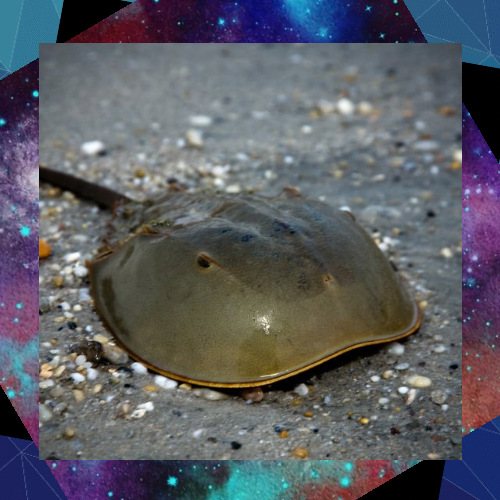
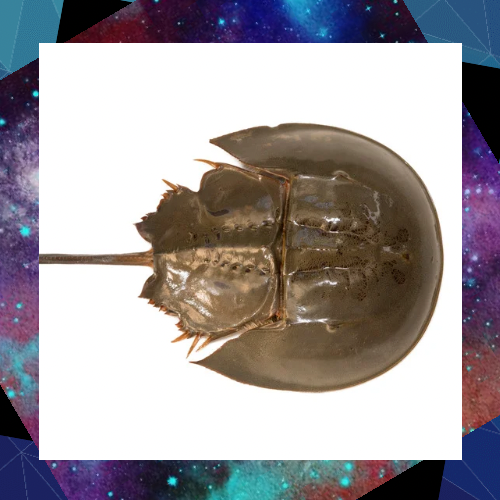
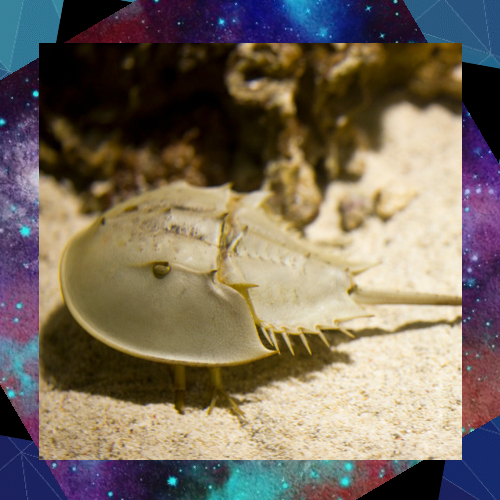
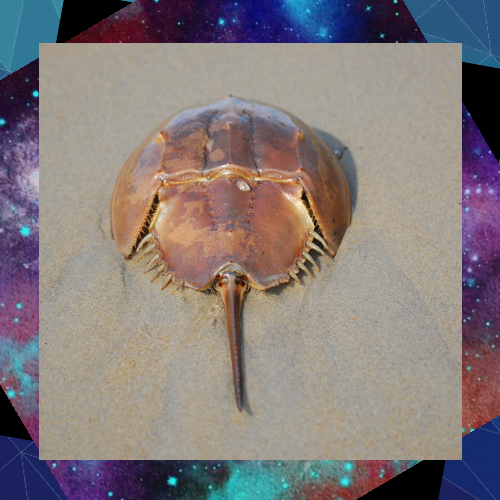
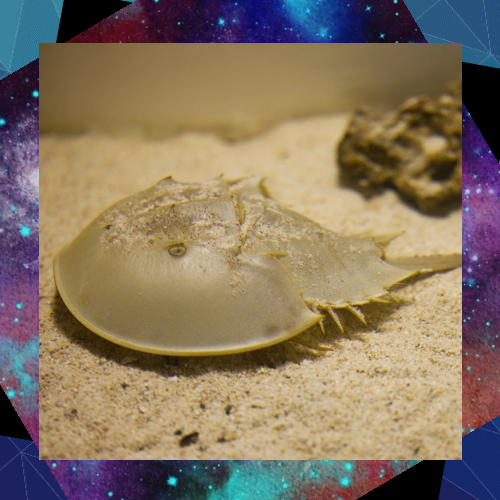
Horseshoe crabs are a masterpiece of evolutionary design. Their body is a fortress, divided into three main parts, all protected by a tough, hinged carapace (shell):
The Prosoma (head): This is the large, helmet-shaped front section. Its curved design is perfect for plowing through sediment and righting itself if flipped over by a wave. On top, you’ll find two striking compound eyes capable of detecting UV light, and on the underside, a mouth surrounded by bristly legs. But their most fascinating visual feature? Two simple eyes, called photoreceptors, on their tail (telson)! These help them synchronize their spawning with the cycles of the moon.
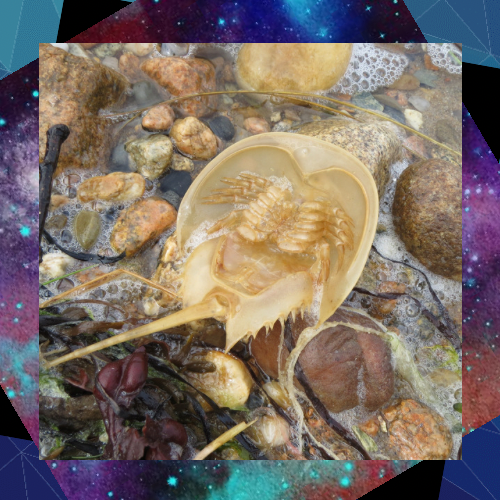
The Opisthosoma (abdomen): This middle section is like a Swiss Army knife. It houses most of the biological machinery, including the gills—book gills, to be exact. These are flappy structures that not only allow them to breathe underwater but also function as paddles for swimming!
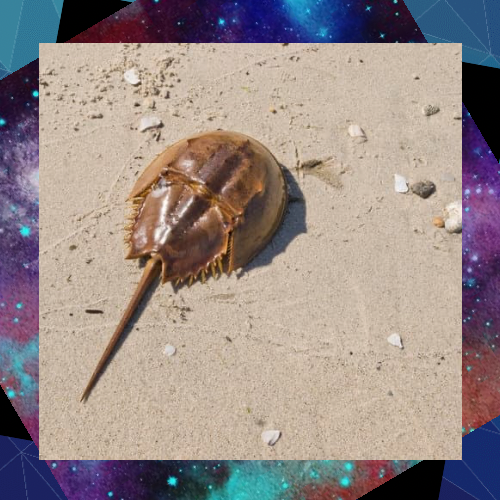
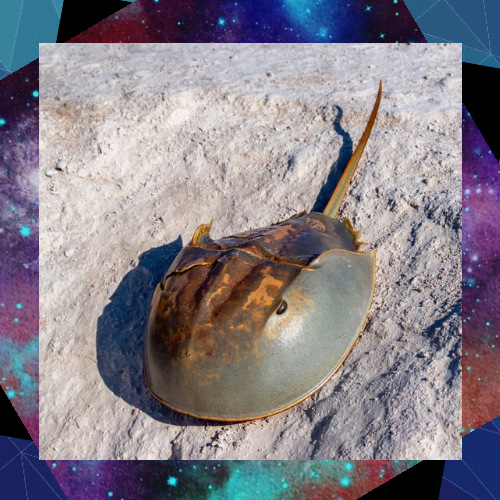
The Telson (tail): The most misunderstood feature. That long, scary-looking spike is not a weapon. It’s not a stinger and it’s not venomous. The horseshoe crab uses it primarily as a rudder for steering and, most importantly, as a lever to flip itself right-side-up if it gets overturned by a wave. Think of it as a built-in emergency self-righting tool.
A Fun Fact: Horseshoe crabs have ten eyes! In addition to the two compound eyes and the two photoreceptors on the tail, they have several light-sensing organs along their body. They are essentially walking sensory machines, perfectly tuned to their environment.
The Great Annual Romance: A Moonlit Spectacle
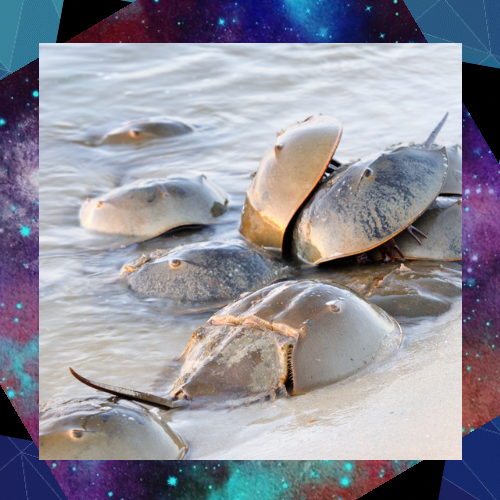
One of the most spectacular wildlife events in North America is the horseshoe crab spawn. Each spring, during the high tides of the new and full moons, hundreds of thousands of horseshoe crabs emerge from the sea and descend upon beaches from Maine to Mexico.
The males arrive first, clustering in the shallows. When the larger females arrive, the males use a special modified pair of claws to latch onto the female’s shell, forming a “train” of suitors. The female then crawls ashore, digs a nest in the sand, and deposits clusters of tiny, greenish eggs. The males following her fertilize the eggs externally.
This event doesn’t just ensure the next generation of horseshoe crabs; it’s a critical ecological party. The eggs are a vital food source for hundreds of thousands of migrating shorebirds. Species like the red knot, a bird that flies from the tip of South America to the Arctic, time their migration perfectly with this spawn. They feast on the eggs, doubling their body weight in a matter of weeks, fueling the final leg of their incredible journey. The survival of these birds is directly tied to the success of the horseshoe crab spawn.
Liquid Gold: The Blue Blood That Saves Millions
This is where the horseshoe crab’s story moves from fascinating to life-saving. Their value extends far beyond the beach and into the very heart of modern medicine.
Horseshoe crabs have a primitive immune system. Instead of white blood cells to fight infection, they rely on specialized cells called amebocytes. These cells are incredibly sensitive to pathogenic bacteria like E. coli and Salmonella. When they detect even the tiniest amount of endotoxin (a dangerous substance released by these bacteria), they immediately clot, forming a gel-like seal around the threat to prevent the infection from spreading.
This superpower is the basis for the Limulus Amebocyte Lysate (LAL) test. Since the 1970s, every single injectable drug, vaccine, and implanted medical device (think IV drips, chemotherapy drugs, insulin, and even the COVID-19 vaccines) must be tested for bacterial contamination using LAL. It is the global gold standard, the most sensitive test we have, and there is no synthetic equivalent that works as well.
So, how do we get it? The pharmaceutical industry practices a strictly regulated biomedical bleeding process. Horseshoe crabs are collected, carefully transported to labs, where a portion of their blood is drawn, and then they are returned to the ocean, often within 72 hours. The amazing blue color comes from hemocyanin, a copper-based molecule they use to carry oxygen (unlike our iron-based, red hemoglobin).
A Piece of Trivia: Horseshoe crab blood is so valuable that it’s estimated to be worth $15,000 per quart, making it one of the most expensive liquids on Earth.
Challenges and The Path to Conservation
The biomedical bleeding process is done with care, but studies have shown that it is not without cost. An estimated 10-15% of crabs do not survive the process, and survivors can often be disoriented and less active, potentially affecting their ability to spawn.
Beyond biomedical harvesting, horseshoe crabs face other severe threats:
- Habitat Loss: Coastal development is destroying their crucial spawning beaches.
- Use as Bait: They are heavily harvested as bait for eel and whelk fisheries.
- Climate Change: Rising sea levels and warming waters threaten their breeding habitats and food sources.
The combination of these pressures has led to population declines, particularly for the American horseshoe crab (Limulus polyphemus).
The good news is that incredible work is being done. Conservationists are:
- Promoting Synthetic Alternatives: Research into a recombinant Factor C (rFC) test, a synthetic version of the LAL test, is ongoing and is already approved for use in some regions. Widespread adoption would significantly reduce the reliance on wild crabs.
- Habitat Protection: Organizations are working to identify and protect key spawning beaches.
- Public Education: Teaching beachgoers how to gently help overturned crabs back into the water (always by the sides of the shell, never the tail) can save countless lives.
Our Ancient Ally
The horseshoe crab is a paradox: an ancient creature that is vitally modern, a denizen of the ocean floor that is a guardian of human health. They are not monsters to be feared, but marvels to be respected and protected.
Their story is a powerful reminder that the threads of nature are woven together in a delicate, intricate web. The fate of a red knot bird in the Arctic is tied to the fate of a crab on a beach in Delaware, which is, in turn, tied to the safety of medicine in hospitals around the world. By protecting the ancient, blue-blooded horseshoe crab, we are ultimately protecting ourselves and the rich, biodiverse world we share.
References & Further Reading:
- Atlantic States Marine Fisheries Commission (ASMFC). https://asmfc.org/species/horseshoe-crab/
- National Oceanic and Atmospheric Administration (NOAA) Fisheries. (2023). Horseshoe Crab. https://www.fisheries.noaa.gov/feature-story/horseshoe-crabs-managing-resource-birds-bait-and-blood
- The Ecological Research & Development Group (ERDG). (2023). The Horseshoe Crab. https://horseshoecrab.org
- Maloney, T., et al. (2018). https://pubmed.ncbi.nlm.nih.gov/24445440/
- Hurton, L., et al. (2005). An estimation of the mortality of the American horseshoe crab (Limulus polyphemus) during the biomedical bleeding process. https://spo.nmfs.noaa.gov/sites/default/files/pdf-content/2006/1042/hurton.pdf